
Doctors warn of winter COPD, elderly people and traffic cops urged to undergo regular health checks
“Air pollution affects the lungs. Weather changes can trigger infections in people with low immunity, while winter pollution can aggravate COPD. Smoking, followed by pollution, is the most important cause of COPD. Patients with long-standing asthma are also vulnerable,” said Debraj Jash, head of pulmonology at Manipal Hospital Salt Lake Cluster and EM Bypass
Kolkata, November 23, 2026, dmanewsdesk: Doctors have cautioned that falling temperatures and rising air pollution during winter could aggravate chronic obstructive pulmonary disease (COPD) and trigger a surge in respiratory ailments.
“Air pollution affects the lungs. Weather changes can trigger infections in people with low immunity, while winter pollution can aggravate COPD. Smoking, followed by pollution, is the most important cause of COPD. Patients with long-standing asthma are also vulnerable,” said Debraj Jash, head of pulmonology at Manipal Hospital Salt Lake Cluster and EM Bypass.
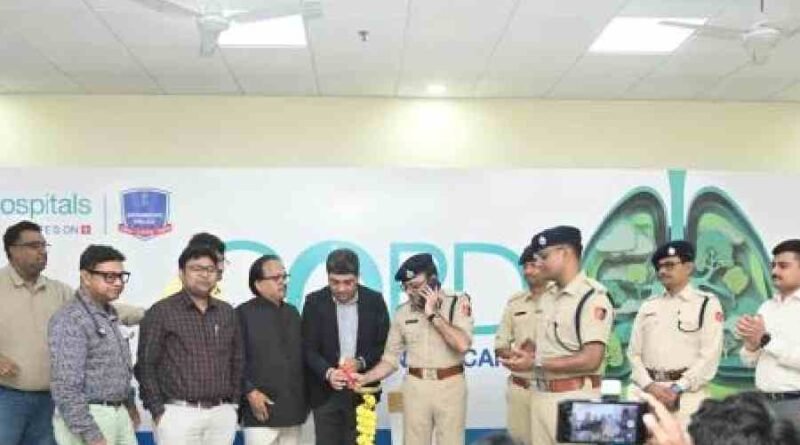
Jash said this at a session organised by Manipal Hospitals in association with the Bidhannagar Police Commissionerate on Saturday. The session focused on the growing impact of air pollution and occupational exposure on respiratory health, particularly among traffic police personnel who are routinely exposed to vehicular emissions.
During winter, lower temperatures and slower wind speeds prevent pollutants from dispersing, pushing air quality towards the moderate or poor categories, environmentalists said.
Air quality in the city deteriorated after Diwali, adding to the pollution that residents were exposed to. This newspaper had earlier reported that several Calcuttans, particularly elderly people, were admitted to hospitals after the festival with respiratory distress or panic attacks.
However, Diwali is not the end of the pollution season. Air quality is likely to deteriorate further as temperatures fall, doctors and environmentalists warned.
“In winter, pollution levels are alarming because of smog during the early morning and late-night hours,” Jash said.
Doctors advised elderly people to get vaccinated against influenza and wear masks to minimise exposure to air pollutants.
Many people may be unaware that they have COPD. A pulmonary function test (PFT) helps diagnose the condition, Jash said.
“It is like a blood sugar test. If you do not repeat the test periodically, you may remain unaware that you have diabetes. Similarly, we do not want a patient with COPD to be admitted to hospital with the condition undiagnosed. A PFT should therefore be done annually,” he said.
On Sunday, Calcutta recorded an air quality index (AQI) of 33, categorised as “good”. An AQI below 50 is considered good, while readings between 51 and 100 are categorised as satisfactory and may cause minor discomfort to sensitive people.
An AQI of 101–200 is classified as moderate and can cause breathing discomfort in people with asthma and lung diseases.
Readings between 201 and 300 are rated poor and may cause breathing difficulties in most people after prolonged exposure, according to the Central Pollution Control Board’s National Air Quality Data Management System.
Rain washes pollutants out of the air, improving air quality. The showers over the past couple of days contributed to the city’s good AQI, said environmentalists.
On Saturday, Manipal Hospitals organised a special lung health and wellness camp for traffic police personnel, who are vulnerable to COPD because of prolonged exposure to air pollution and vehicular emissions.
“Traffic police personnel are exposed to pollution while performing their duties for prolonged periods. Many of them may have COPD but remain unaware of it,” Jash said.
The initiative aimed to raise awareness about COPD, encourage preventive healthcare and promote early screening among personnel routinely exposed to vehicular emissions, dust and other environmental pollutants.
Traffic police personnel were advised to wear masks while on duty.
“Masks offer protection against pollutants and carcinogenic agents. They cannot eliminate exposure completely, but can prevent most substances from entering the respiratory system,” Jash said.
“It is important for traffic police personnel to prioritise their respiratory health by avoiding smoking, undergoing regular and comprehensive health check-ups and seeking timely medical advice if they experience persistent respiratory problems. Their daily exposure to environmental pollution and vehicular emissions may increase their vulnerability to respiratory conditions such as COPD,” said Debarshi Dutta, joint commissioner of police, Bidhannagar Commissionerate.
Komal Dashora, cluster director, Mukundapur and EM Bypass, Manipal Hospitals, said the joint initiative aimed to raise health awareness and encourage preventive healthcare.
Source: The Telegraph online


